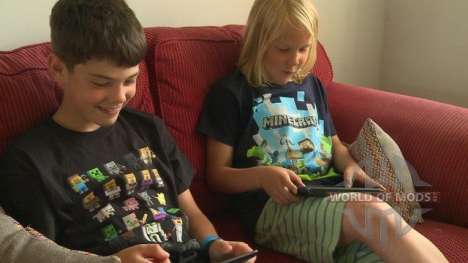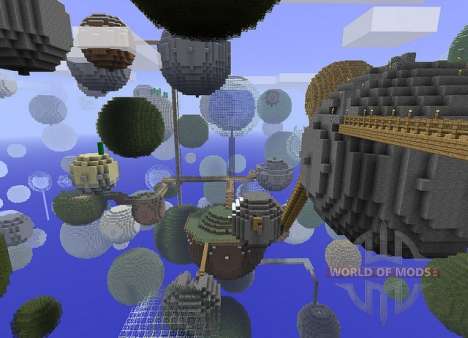
But their class, in fact, a way different from the others. The fact that all of his disciples are childrens suffering from autism. The symptoms of this terrible illness are different disorders of communication, social communication and repetitive behavior. But believe me, you would hardly have distinguished these children, excitedly playing Minecraft on their tablets, from others. And this is not surprising. Back in 2009, when the Mojang company released the first version of Minecraft, this game has gained much popularity among teachers and parents of children with autism.
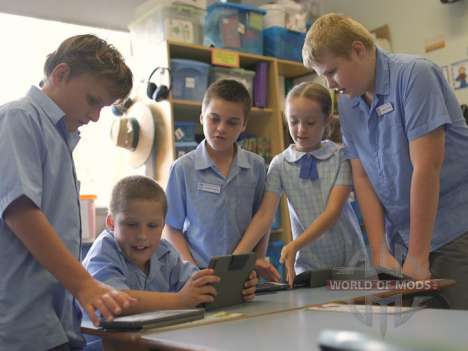
According to psychologist from Autism Spectrum Australia, Victoria Todd, the gameplay of Minecraft, with all the resources that you need to collect to build a particular object "provides information in a visual format and structure, and a certain amount of predictability".
Autism Spectrum Australia is the main Australian organisation that provides education, support, performing diagnostics and help people suffering from autism in various other ways. Such teachers as Craig Smith, Deputy Director of Aspect Hunter School has made Minecraft a big part of learning in their classrooms.
Minecraft gives students "a much more understandable version of the actual world," says Smith, because the game conveys ideas and information in a much more rectilinear form. Recognizing the potential, hidden in the game, the Aspect Hunter School staff began using Minecraft in teaching their students with autism in early 2013. Just like students, in the beginning, teachers learned to play the game, attended each other's lessons, and worked on the issues and improved their methods of teaching. This experience, coupled with their experience of working with children with autism, helping teachers create Minecraft lessons on various subjects from English and science to geography and art.
The Aspect Hunter School staff members even shared already prepared curricula, upleaded is as a free book called "Minecraft in your Classroom" in the Apple iBook store.
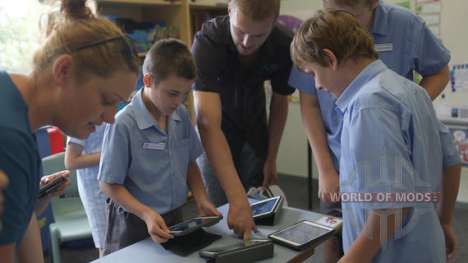
The game provides an environment that promotes social interaction while students learn to communicate and the game, following a well-defined game rules. Teachers and psychologists across the world report that when their students work together in multiplayer mode, they are surprisingly quick to learn how to communicate with each other, share ideas and tell others what they want them to do. The same thing happens not only in educational establishments but also at autistic children's home.